
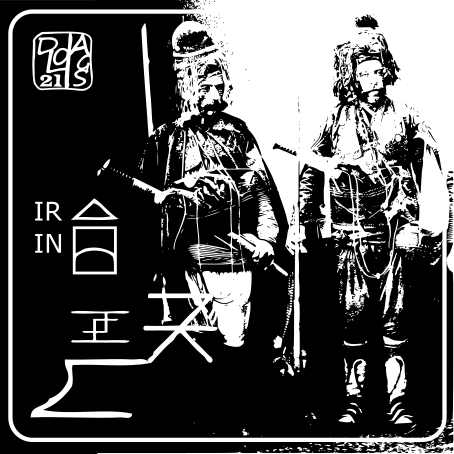
The kamarband is a long strip of fabric worn around the waist across a vast cultural region stretching from Iran to Central Asia and the Indian subcontinent. Its name comes from Persian: kamar means “waist” or “belt,” while band refers to something that fastens or wraps around. Originally, the kamarband served a practical purpose: to hold clothing in place, support the body during certain tasks, or carry small objects. However, it quickly took on social and symbolic significance. Depending on the era and region, its material, color, or the way it was tied could indicate rank, profession, or group affiliation. In the Mughal courts of India, the most prestigious kamarbands were made from luxurious fabrics and sometimes embellished with precious embroidery. Officers, dignitaries, and wealthy merchants made it an important part of their attire. In the 18th century, Europeans discovered this accessory through trade with the East. Adapted to Western fashion, it gave rise to the cummerbund, still worn today with certain formal garments. The kamarband thus illustrates how a simple object can travel between cultures, change its function, and acquire new meanings while retaining its fundamental role: connecting the garment to the body.Lire la suitekamarband
Vous pouvez compléter, modifier, améliorer cette indéfinition ou en proposer une autre au regard de vos savoirs, langages, pratiques, histoire… qu’elle soit formulée sur un mode scientifique, culturel, poétique… contact@21dialogues21.org